First Trip with the Puppy
What We Learned with Hugo
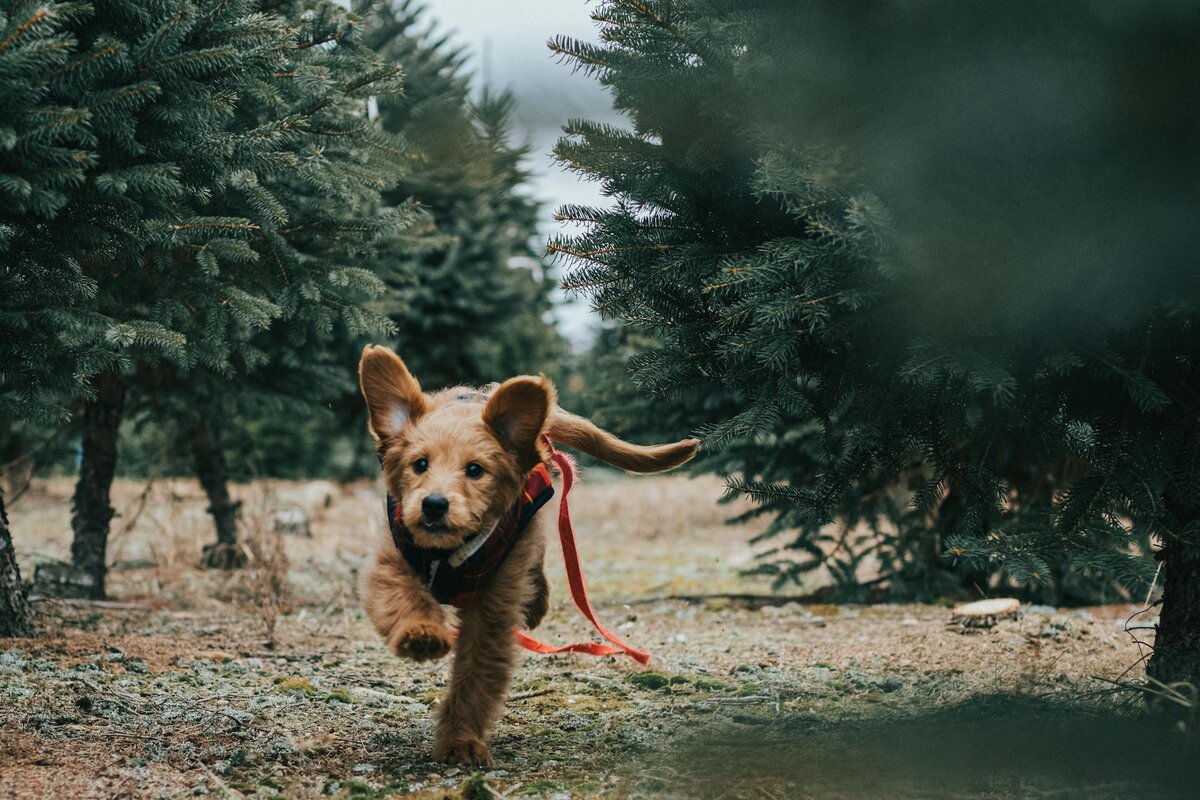
Hugo came home to us on a Friday evening in September. Eight weeks old, a small fluffy Cavapoo that fit in my cupped hands. The kids cried with joy. My wife cried with joy. I pretended I wasn't crying.
The trip home from the breeder – 45 minutes on the E4 – was his first car ride. It also became his first vomiting incident. And his second vomiting incident. And the beginning of months of training before we could take him anywhere without disasters.
If you've just gotten a puppy and dream of a vacation together: it will be amazing. But not right away. Here’s everything we learned along the way.
Wait with the "real" trip
I know. You want to show the puppy the beach, the forest, grandma and grandpa, the whole world. But puppies need time.
Vaccinations first. The basic vaccinations are not complete until the puppy is 12-16 weeks old. Until then, you should avoid places where many dogs have been – dog parks, dog beaches, popular hiking trails. The risk of infection is too great.
Socialization is more important than vacation. The first weeks at home are about the puppy getting used to its new family, its new home, and gradually new experiences. A trip to Gotland can wait. Short visits to friends, walks in the neighborhood, and car training cannot wait.
Hugo was four months old when we made our first "real" trip – a weekend in a cabin two hours away. It felt late then. Now I know it was just right.
Car training – start on day one
If you've read our article on car trips with dogs, you know that Hugo had huge problems with motion sickness. He vomited on every trip for months. It was partly bad luck – some dogs get car sick – but it was also partly our fault.
We didn't train enough in the beginning. We thought, "he'll get used to it." He didn't.
What we should have done differently:
- Day 1-7: Just sit in the car. Engine off. Doors open. The puppy can explore, sniff, get treats. Then out again. No demands, no stress.
- Day 8-14: Engine on. Same thing, but with the engine running. The puppy gets used to the vibrations and sounds.
- Week 3-4: Micro trips. Two minutes to something fun. Not the vet – a park, a friend, something positive. Then home. Gradually increase to 5 minutes, 10 minutes, 15 minutes.
- Week 5+: Real short trips. 20-30 minutes to a new place. Explore, have fun, go home.
With Hugo, we skipped the first steps. We drove straight to the vet, to the dog training, to family. Every trip ended in vomiting. He built up negative associations that took months to break.
The lesson: Invest time in car training before you need to go anywhere. It’s much easier to build it right from the start than to repair it afterward.
Transport bag or crate – acclimatize the puppy early
Hugo was supposed to travel in a belted crate in the back seat. The problem was that he had never trained in the crate before we were to use it.
On the first real trip, we shoved him into a strange crate, in a car he hated, and drove off. No wonder it went downhill.
How we should have done it:
- Buy the crate or transport bag before the puppy comes home. Place it in the living room with the door open.
- Put a blanket that smells like the puppy inside (ask the breeder for one). Hide treats in the corners.
- Let the puppy discover the crate on its own. Go in, get treats, go out. No pressure.
- Feed the puppy in the crate. Crate = good things happen.
- Only when the puppy is completely comfortable with the crate at home – falls asleep in it voluntarily – do you move it to the car.
The puppy's bladder – expect stops
An 8-12 week old puppy needs to pee about every 1-2 hours. At 12-16 weeks, maybe every 2-3 hours. That means many stops.
Our first mistake was driving too long without a break. Hugo peed in the crate. Not because he was untrained – but because he physically couldn't hold it.
Our new rule with the puppy:
- 8-12 weeks: Stop every 45 minutes
- 12-16 weeks: Stop every 1.5 hours
- 4-6 months: Stop every 2 hours
- 6+ months: Stop every 2-3 hours
Yes, it makes the trip longer. But it avoids accidents – and accidents in the crate create negative associations that are hard to break.
Packing list for the puppy's first trip
Food and water:
- The puppy's regular food (never change in the middle of a trip)
- Water bottle
- Collapsible bowl
- Treats, lots of treats
Safety:
- Blanket that smells like home
- Favorite toy or stuffed animal
- Something that smells like you (a t-shirt you've slept in)
Practical:
- Paper and wet wipes (accidents happen)
- Extra towels
- Poop bags
- Leash and collar with ID tag
- Vaccination certificate
The crate/bag:
- Replaceable mat
- Ventilation
- Secure attachment in the car
Also read our complete packing list for dog travel.
Upon arrival – create safety
New environments can be overwhelming for a puppy. A thousand new smells, sounds, and impressions. Hugo was completely wound up the first evening in the cabin – running around, sniffing everywhere, unable to relax.
What helped:
- Explore together. We walked around the cabin with Hugo, letting him sniff through every room. The kids had to be calm – no running and shouting.
- Establish his place immediately. His blanket, his water bowl, his toy – all in the same spot. It became "his corner". A safe point in the new environment.
- Keep routines. Same feeding times as at home. Same evening walk. Same bedtime. Puppies thrive on predictability.
- Puppy-proof the room. We went through the cabin and moved everything Hugo could chew on, trip over, or injure himself on. Cords, shoes, the kids' toys with small parts. It takes ten minutes and saves a lot of worry.
Sleep – the underestimated challenge
On the first night in the cabin, Hugo didn't sleep. And neither did we.
He whined, he barked, he wanted to get in bed, he wanted out, he wanted... we didn't know what he wanted. He was just a little overstimulated puppy who didn't understand where he was.
What we learned:
- Tire out the puppy properly before bedtime. Play, walk, activate. A tired puppy falls asleep more easily.
- Last pee right before bed. Out at the last second before you close for the night.
- The puppy's bed close to you. Hugo slept better with his bed next to our bed. He could hear us breathe. That was enough to calm him.
- Expect interruptions. Puppies wake up at night. Need to pee. Get anxious. It’s normal. It will pass.
- Not too much comfort. If the puppy whines a little – wait. Often they fall asleep again. If you rush there every time, they learn that whining = attention.
Socialization during the trip
The first months in a puppy's life are critical for socialization. New people, new environments, new experiences – all build a secure and well-balanced dog.
A trip can be fantastic for socialization. But it must be done right.
What we did:
- Let Hugo meet new people every day, but on his terms
- Visited different environments – beach, forest, city, yard
- Let him hear new sounds – cars, tractors, waves, other dogs
- Never exposed him to more than he could handle
The last point is important. An overwhelmed puppy forced to face too much learns that new things are scary. A puppy allowed to explore at its own pace learns that new things are exciting.
We made the mistake of taking Hugo to a market when he was three months old. Too many people, too fast a pace. He pressed himself to the ground and refused to walk. We carried him home. It took weeks before he dared to walk on the sidewalk again.
The lesson: Better too little than too much. You can always build on – but repairing a fear is harder.
Signs of stress in the puppy
Puppies communicate, but not with words. Learn to read your puppy's signals:
Mild stress signals:
- Yawning (when not tired)
- Licking their nose
- Turning away
- Shaking off (like after a bath, but dry)
Clearer stress:
- Panting (when it's not hot)
- Ears back
- Tail between legs or held low
- Crouching or trying to hide
Acute stress:
- Refusing to move
- Trembling
- Diarrhea or vomiting (can be stress-related)
- Trying to escape
When Hugo showed early signals, we should have taken a break. Instead, we thought, "he'll get used to it." He didn't – he escalated.
Now we know: At the first sign of stress – take a break. Find a calm place. Let the puppy calm down. Don’t continue until it is relaxed again. Read more about this in our guide on common mistakes in dog travel.
Food and stomach on the trip
Puppies' stomachs are sensitive. Stress, new environments, and changed routines can cause stomach problems. Add new water and possibly changed food – and you have a puppy with diarrhea.
Our rules:
- Same food. We never change food during a trip. Bring enough of the puppy's regular food.
- Same times. Breakfast and dinner at the same times as at home.
- Water from home. Sounds excessive, but we filled bottles with our tap water on the first trips. Different water compositions can affect the stomach.
- No treats from others. Well-meaning relatives giving the puppy sausage, cheese, and other treats can upset the stomach. We politely said no.
Hugo still had stomach problems on the first trip. Stress and new impressions were enough. But it could have been worse if we had also changed food.
Our first successful trip
It took time. Months of car training, crate training, short excursions.
But finally – Hugo was barely five months old – we drove to a cabin in Småland. Two hours. No vomiting. No panic. Hugo fell asleep after half an hour and woke up when we arrived.
The cabin had a fenced yard. Hugo ran around like crazy while the kids laughed. We grilled sausages. He slept like a rock all night.
It wasn't a perfect trip. He peed on the carpet inside the cabin (our fault – we didn't take him out often enough). He whined when we had breakfast at a café and he had to stay outside. He became overstimulated on the second day and was whiny and tired.
But it worked. We were away, together, and it was the beginning of all the trips to come.
Summary: what I wish I had known
- Start car training on day one. Not on day thirty.
- Make the crate the puppy's best friend before you need to use it.
- Respect the puppy's limits. Overstimulation is not socialization – it’s the opposite.
- Keep routines. Food, sleep, potty breaks – everything should be as similar to home as possible.
- Expect setbacks. It won't go perfectly. That's okay.
- Be patient. It takes months to build a puppy that travels well. But it’s worth it – you have many years of adventures ahead of you.
Hugo is no longer a puppy. He is an adult Cavapoo who jumps into the car voluntarily and falls asleep before we leave the driveway. But I will never forget that little fluffball who vomited on the E4 and looked at me as if I had betrayed him.
We got through it. You will too.
/Love & Hugo
Ready to book?
Find the perfect accommodation for your next trip
Dog-friendly hotels for the first trip