Activities with a Dog on Holiday
What We Actually Do
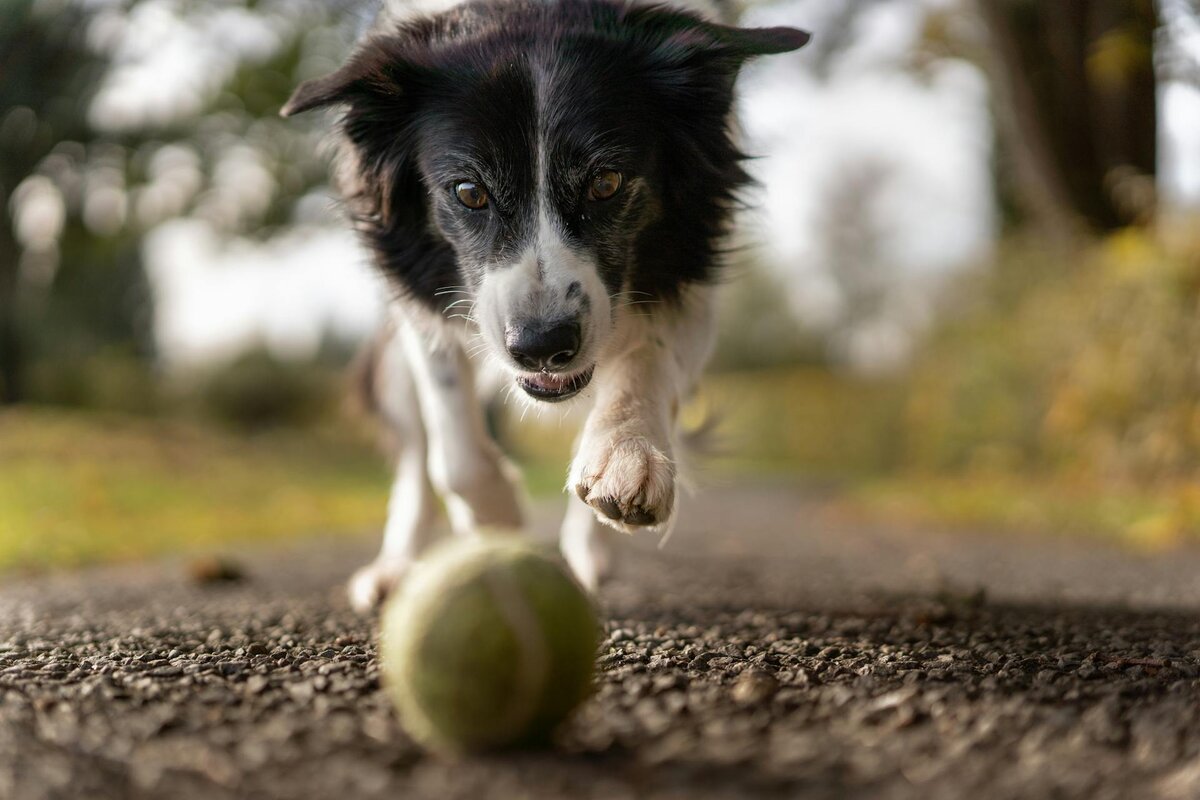
On our first holidays with Hugo, we tried to do everything. Hiking trails in the morning, beach in the afternoon, restaurant in the evening. We wanted to maximize our time.
Hugo collapsed from exhaustion on day three. Not in a cute way – in a restless, overstimulated, whiny way. He refused to walk, just wanted to lie down, but couldn’t fall asleep.
Now we know better. A holiday with a dog isn’t about ticking off activities. It’s about finding the right balance between adventure and rest – for the dog and for us.
Here’s what we actually do on our holidays with Hugo.
Hiking – our favorite activity
Hugo is a 10-kilo Cavapoo with surprisingly much energy and endurance. He can walk mile after mile if the pace is right and there’s enough to sniff.
Hiking is the activity where we all – me, my wife, the kids, and Hugo – are most in sync. No screens, no distractions, just forest and trails and shared movement.
Our favorite trails:
Kullaleden, Skåne. Dramatic coast, varied terrain, just the right challenge. We did a day hike with the kids (7 and 9 years old) and Hugo managed it brilliantly. The view over the sea from Kullaberg is something very special. Dogs are allowed everywhere except in the core of the nature reserve during the birds' nesting season. Check out our dog-friendly hotels in Skåne if you want to explore the area.
Bohusleden, Västkusten. Cliffs, sea, small fishing villages. Perfect for stage hikes where you sleep in different places. Hugo loved jumping between the rocks – Cavapoo paws have surprisingly good grip. Here you can find dog-friendly accommodations in Västra Götaland.
Sörmlandsleden, near Stockholm. Easily accessible trail with many entry points, perfect for day trips. The kids can manage, Hugo can manage, and we can stop whenever we want. See our hotels in Södermanland or Stockholm as a base.
Höga Kusten-leden. More challenging, more spectacular. We did a two-day trip without the kids – just Hugo and us adults. We stayed overnight in a wind shelter. Hugo slept like a stone after 15 kilometers of hiking. Dog-friendly hotels in Västernorrland can be found here.
What we’ve learned:
- Start shorter than you think. The first hike of the holiday is a maximum of 5-7 km, even though Hugo can manage more. We want to see how he reacts to the terrain, the heat, the pace.
- Water, water, water. Hugo drinks more than you think while hiking. We have a collapsible bowl and stop at every stream and lake. On hot days, we bring extra water bottles just for him.
- Paws. After a long day on rocky terrain, we always check Hugo's paws. Cavapoos have soft pads – not built for Kungsleden. We carry paw wax and use it preventively.
- Leash or free? It depends. In nature reserves, there is often a leash requirement. On open trails without livestock, we sometimes let him off – but only when we can see far and know he will come when called.
- Sniff breaks. We never force Hugo to keep our pace all the time. Every 20-30 minutes, we stop and let him sniff properly for a few minutes. It’s his mental training.
Swimming and beaches
Hugo likes water. Not in that Labrador-throwing-himself-into-the-lake way – more in the cautious, wading-out-to-his-belly-and-staying-there way. But he enjoys it.
Dog beaches we’ve found:
Most municipalities have official dog beaches or parts of beaches where dogs are allowed. We search for "[municipality] dog beach" before we go anywhere.
Lakes are often easier. Sea beaches often have more restrictions (especially June-August). Lakes are more relaxed. Our best swimming experience with Hugo was at a small forest lake in Småland – completely alone, Hugo wading around in the reeds, the kids building sandcastles.
Practical tips:
- Check the signs. Always. Even if "everyone" says dogs are okay. Fines for dogs on prohibited beaches are unnecessary.
- Avoid peak times. We swim with Hugo early in the morning or late in the afternoon. Fewer people, fewer potential conflicts, calmer dog.
- Rinse him off afterwards. Saltwater and algae can irritate the skin. Freshwater is milder but we rinse anyway. A quick shower with clean water is enough.
- Towel for Hugo. A wet Cavapoo smells... special. And dries slowly. We have a separate towel for him that can be as dirty as it wants.
- Watch out for blue-green algae. In late summer, lakes can have algae blooms that are toxic to dogs. If the water looks murky green or has a strange smell – don’t let Hugo drink it or swim.
Dog parks and play areas
We have mixed experiences with dog parks.
Hugo is social but selective. Some dogs he likes right away, others not at all. And in an enclosed dog park, there’s no escape route – everyone is locked in together.
When it works:
Dog parks are perfect for burning off energy after a long car ride. Hugo runs around, sniffs, plays if he finds the right friend. The kids enjoy watching the dogs. We adults can talk to other dog owners.
When it doesn’t work:
If there’s a dominant dog chasing, or a nervous dog barking, or too many dogs in too small a space – then Hugo gets stressed. And a stressed Hugo carries that stress with him for the rest of the day.
Our approach:
- We never go in directly. First, we stand outside the fence for a while and watch. How many dogs? What’s the energy level? Does anyone seem insecure or aggressive? If it feels good, we go in. If not – we move on.
- We never stay too long. 20-30 minutes is max. Better to leave while it’s fun than to wait until it becomes too much.
- And we are always ready to leave. If Hugo seems uncomfortable, if a situation arises – we put on the leash and go.
Culture and experiences
Traveling with a dog limits some things – but less than you think.
What works:
- Outdoor museums and local heritage farms. Most allow dogs. We’ve been to Jamtli in Östersund with Hugo, to Kulturen in Lund, to various local heritage farms. Often it’s free or cheap, just interesting enough for the kids, and Hugo gets to join.
- Guided city walks. Check with the organizer first, but many welcome dogs. We went on a historical walk in Visby with Hugo – he was more interested in the smells than the Vikings, but it worked. Dog-friendly hotels on Gotland can be found here.
- Markets and flea markets. Varying. Large crowded markets are not for Hugo – too many people, too much stress. But calm farmers' markets or antique flea markets in the countryside are often nice.
- Castles and manors – outdoor areas. Indoors is almost never allowed, but the parks and gardens are often okay. We’ve walked in castle parks around Sweden with Hugo on a leash.
What doesn’t work:
- Indoor museums. Almost never allowed. One of us has to stay outside with Hugo while the other goes in with the kids. We take turns.
- Amusement parks. Liseberg, Gröna Lund – forget it. Not dog-friendly, and honestly, Hugo would hate it anyway.
- Large events. Concerts, festivals, fairs. Too many people, too loud, too stressful.
Restaurants and cafes
More and more places welcome dogs, especially outdoors. But it varies enormously. Read more in our guide about dog-friendly restaurants.
This is how we find dog-friendly places:
- We google "[city] dog-friendly restaurant" or search in Google Maps with "dog friendly". Reviews from other dog owners are gold. Some places even have dog menus (yes, they exist).
- We ask at our accommodation. Hotels, cabin hosts, camping staff – they often know which local places welcome dogs.
- We look for other dogs. If there’s a dog at the outdoor seating when we walk by – then we know it’s okay.
What we bring:
Hugo’s water bowl – not all places have dog bowls. His favorite blanket to lie on. Treats to reward calm behavior. Chew bones if we’re going to sit for a long time.
Hugo’s behavior:
He’s actually quite good at restaurants now. He lies under the table, sometimes he falls asleep. But it has required training. The first few times he was restless, wanted to greet everyone, begged for food.
We reward when he lies calmly. We ignore begging. We prefer to leave early than to push him for too long.
Our best restaurant memory with Hugo:
A fish restaurant on the West Coast. Outdoor seating with a sea view. Hugo lay under the table and slept while we ate shrimp and drank white wine. The kids fed the seagulls (against our will). It was perfect.
Take it easy – the most important activity
This is what I wish someone had told us on our first holiday: it’s okay to do nothing.
A day with just a morning walk, hanging at the cabin, reading in the hammock while Hugo sleeps in the shade – it’s not a wasted day. It’s exactly what everyone needs.
Hugo’s favorite non-activities:
- Lie in the grass and sniff the air
- Follow us to the dock and watch the water (not swim, just watch)
- Sleep on the porch while we grill
- Follow the kids in the garden without any real goal
Why it’s important:
Dogs need recovery. New environments, new smells, new sounds – it’s mentally exhausting, even if it doesn’t look like it. A dog that never gets to rest on holiday becomes overtired and starts to behave differently. Whinier. More restless. Less obedient. Read more about this in our guide on common mistakes when traveling with dogs.
Hugo needs at least one calm day after each "big" day. Hiking on Monday? Hanging out on Tuesday. Beach on Wednesday? Calm walk and relaxing on Thursday.
For us humans too:
The same goes for us. Holidays should be rest, not another kind of stress. With a dog, it becomes natural to take it easier – you have a built-in reason not to rush from activity to activity.
A typical holiday day
This is what a good day looks like for us:
- 07:00 – Hugo wakes me up. Morning pee in the garden. I make coffee.
- 08:00 – Breakfast. Hugo gets his food at the same time.
- 09:00 – Walk, all together. 30-60 minutes, nothing stressful.
- 10:30 – The kids play. Hugo rests. I read. My wife catches up on sleep.
- 12:00 – Lunch. Usually a picnic or something simple at the cabin.
- 13:00 – Today’s activity. Beach, hiking, excursion. Max 2-3 hours.
- 16:00 – Back. Hugo falls asleep immediately. The kids have a calm activity.
- 18:00 – Dinner. Barbecue or simple cooking.
- 20:00 – Evening walk with Hugo while the kids get ready for bed.
- 21:00 – The kids are asleep. We sit outside with a glass of wine. Hugo lies at our feet.
No stress. No FOMO. Just days that flow by.
The best thing about a holiday with a dog isn’t the activities themselves. It’s that Hugo is with us. That he lies next to us by the campfire. That he runs ahead on the trail. That he sleeps in the sun outside the cabin while we drink coffee.
He doesn’t care if we climb a peak or lie in the hammock all day. He just wants to be where we are.
And that’s really the point.
/Love & Hugo