Common Mistakes When Traveling with Dogs
And How to Avoid Them
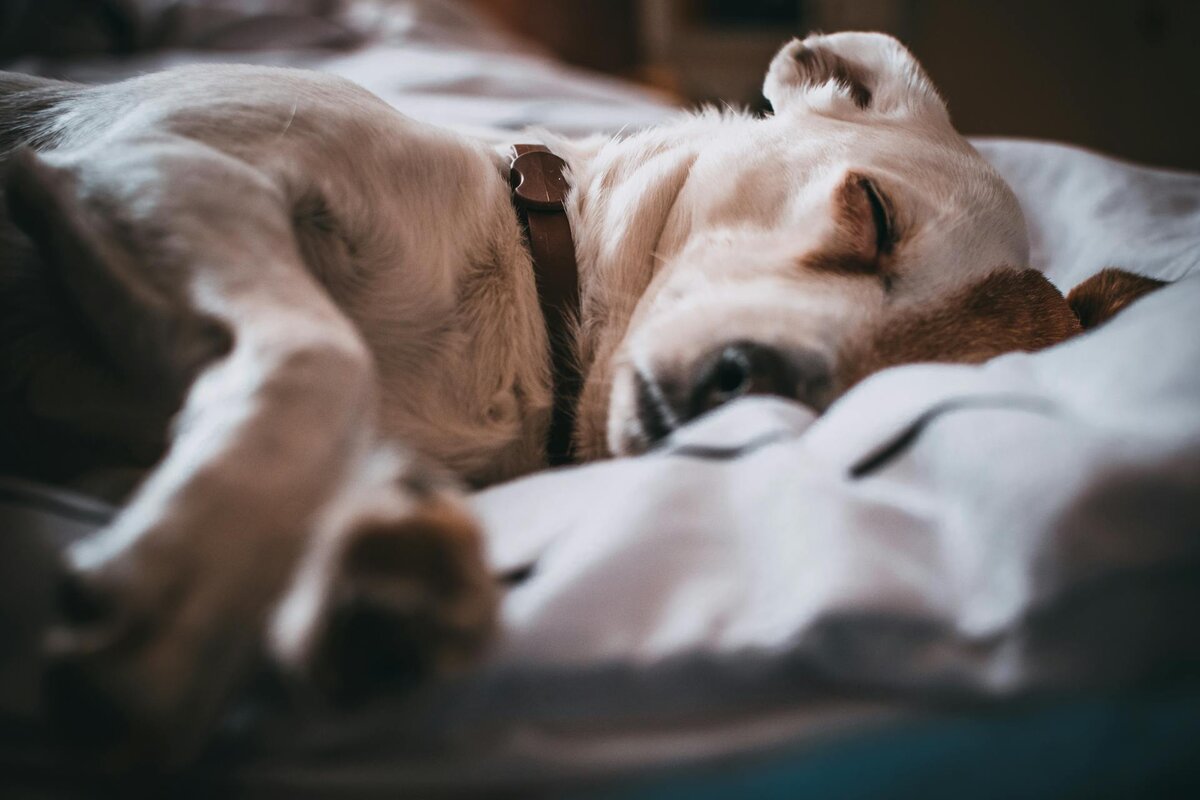
My name is Love and I live with my family – wife, two children, and the Labrador Hugo – in an old house in the countryside of Sweden. We have traveled with Hugo since he was a puppy, and we have made practically every mistake you can make. This guide is what I wish someone had given me five years ago.
Mistake #1: Trusting "dogs welcome" without calling
It says "dogs allowed" on Booking.com. You book. You arrive with a tired family and a Hugo who needs to pee – and the reception says they only accept small dogs under 10 kg.
This happened to us in Skåne in the summer of 2021. We stood there at eight in the evening without accommodation.
Do this instead: Always call. Ask specifically:
- Is there a weight limit?
- Is there an extra charge? (Expect 100-300 SEK/night)
- Can the dog be with us in the restaurant?
- Is there a dog park or proximity to the forest?
Five minutes of conversation saves hours of stress.
Mistake #2: Going on a long trip with a car-unfamiliar dog
Hugo threw up the first time we drove to Dalarna. And the second time. And the third.
The problem was that we had never trained him. His only car experiences were vet visits – not exactly positive associations.
Build it up gradually:
- Week 1-2: Sit in the car without driving. Give treats.
- Week 3-4: Short trips of 10-15 minutes to fun places.
- Week 5+: Gradually increase to 30 minutes, one hour, two hours.
It takes time, but the alternative is a dog that stresses (and vomits) for four hours on the E4.
Mistake #3: Packing the dog's things last
"We'll take care of it tomorrow morning."
Then you find yourself at six in the morning desperately searching for Hugo's leash while the kids are crying and your partner wonders where the vaccination card is.
My packing list (printed and taped inside the pantry door):
Documents:
- Insurance papers
- Veterinarian's number
- ID tag with current phone number
Everyday items:
- Food for the entire trip + 2 extra days
- Water bottle and travel bowl
- Favorite blanket (smells like home = security)
- Poop bags (more than you think)
Safety:
- Dog crate or safety harness
- Reflective vest (autumn trips in Norrland)
- First aid kit for dogs
Mistake #4: Skipping breaks because "we're almost there"
Three hours left. The kids are finally sleeping. You think, "let's just keep going."
Don't do that.
Dogs need to move every 2-3 hours – not just to pee, but to stretch their bodies and get mental stimulation. An understimulated dog in the car becomes restless, whiny, and stressed.
Our favorite stops on the way south:
- Rest areas with dog forests (marked on the Traffic Agency's map)
- Larger gas stations often have grassy areas behind the building
- Nature reserves along the way – perfect for a 20-minute walk
We have started to see rest stops as part of the journey, not a break from it. The kids run off energy. Hugo sniffs around. I drink coffee. Everyone wins.
Mistake #5: Underestimating the heat in the car
Everyone knows this. Yet it happens every summer.
At 20 degrees outside, it becomes 35 degrees in the car in 10 minutes. At 25 outside: 50 degrees in half an hour. Dogs cannot sweat like we do – they regulate heat by panting, which is completely inadequate in a hot car.
Our rule: Hugo is never left alone in the car. Period.
If you must stop quickly at a gas station: one adult stays with the dog, windows open, AC on if possible. But preferably: take the dog out.
Mistake #6: Ignoring the dog's signals
Hugo does not like crowds. It took us two years to understand that.
We dragged him to markets, festivals, and beach promenades full of people – and wondered why he was so "difficult". He was not difficult. He was stressed and communicated it in the only way he could: by pulling on the leash, whining, and refusing to sit still.
Signs of stress in dogs:
- Yawning repeatedly (without being tired)
- Licking his nose
- Ears back
- Tail between legs
- Panting even though it's not hot
- Averting his gaze
Now we adjust our trips for Hugo too. Yes, that means we skip some things. But a relaxed dog makes the whole trip better for everyone.
Mistake #7: Forgetting local rules
Leash requirements in nature reserves. Dog bans on certain beaches between May and September. Special rules in national parks.
We received a warning in a nature reserve in Småland – I simply hadn't read the signs. Embarrassing, but educational.
Always check:
- naturvardsverket.se for national parks and nature reserves
- The municipality's website for local regulations
- Signs at the entrance (actually read them)
Mistake #8: Trying to fit in too much
This is the biggest mistake.
"We're going to see the castle, then lunch in town, then the beach, then that hike..."
With a dog, it doesn't work that way. Hugo needs to rest. He needs calm. He needs breaks.
Nowadays we plan a maximum of two activities per day. The rest is slack: walks in the local area, hanging at the campsite, lazy moments in the cabin.
Paradoxically, our trips have become much better since we stopped trying to fit everything in.
Conclusion
Traveling with a dog is not harder than traveling without – it’s just different. It requires more planning, more flexibility, and more patience.
But it is also worth it. Hugo's joy when he gets to run on a new beach, sniff in an unknown forest, or just lie by our feet in a new cabin – that’s part of why we travel.
I hope this guide helps you avoid our mistakes.
/Love & Hugo